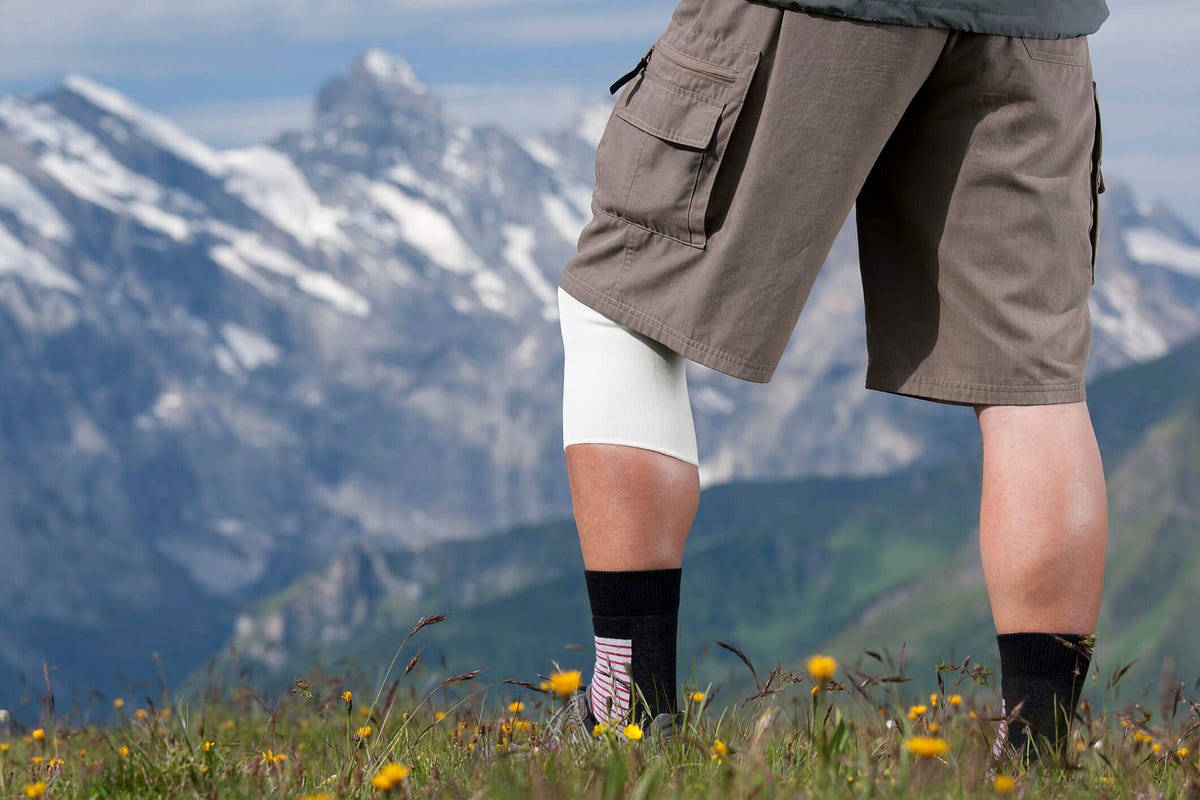

Have you ever experienced foot and ankle pain before?
Living with foot and ankle pain can significantly affect your quality of life. These seemingly small, localized pains have a ripple effect, restricting movement and affecting everything from daily tasks to cherished activities like sports and leisure. When mobility is impaired, even the simplest tasks, such as walking or standing for long periods, can become daunting. This limitation doesn’t just impact physical health; it can also take a toll on emotional well-being, leading to frustration, inactivity, and a sense of isolation.
In this article, we’ll dive into expert tips and strategies to help you avoid and manage foot and ankle pain, so you can confidently step into your summer adventures with ease.
Understanding Foot & Ankle Pain
Before diving into prevention tips, it’s crucial to understand that foot and ankle pain can stem from various sources such as injuries, overuse, inadequate footwear, or even chronic conditions like arthritis.
Some of the most common injuries that affect the foot and ankle include:
- Plantar Fasciitis: This is one of the most prevalent causes of heel pain, resulting from inflammation of the tissue that runs across the bottom of your foot. It can cause stabbing pain, particularly in the morning.
- Achilles Tendonitis: This condition arises when the Achilles tendon becomes inflamed, often due to overuse. The pain typically appears at the back of the ankle or calf, making it difficult to walk or engage in physical activities.
- Ankle Sprains: Sprains occur when the ligaments in the ankle are overstretched or torn, usually due to sudden movements or stepping on uneven surfaces. They can lead to swelling, bruising, and significant discomfort.
Expert Tips To Prevent Foot and Ankle Pain
- Choose the Right Footwear
Footwear plays a pivotal role in foot and ankle health. Opt for shoes that provide proper support and fit your feet well.
This means avoiding high heels for extended periods and choosing well-cushioned, supportive shoes for sports and outdoor activities.
The right shoe can help distribute weight evenly, reducing strain on your feet and ankles.
Here are a few tips to consider:
- Avoid high heels for extended periods, as they put excessive strain on the arches of your feet and can contribute to pain and discomfort.
- Choose shoes with proper arch support and cushioning, especially for sports and outdoor activities. The right shoe will help distribute your weight evenly, minimizing stress on your joints.
- Opt for shoes with good grip and ankle support if you’re engaging in physical activities such as hiking or running.
- Strengthen Your Foot and Ankles
Strengthening the muscles around your feet and ankles can help reduce the risk of injuries. Regular exercises such as toe curls, heel raises, and ankle rolls can improve both strength and flexibility.
These exercises not only help prevent injuries but also improve shock absorption, providing better protection for your joints during high-impact activities.
- Maintain a Healthy Weight
Excess body weight puts additional pressure on your feet and ankles, increasing the risk of injury and pain. Maintaining a healthy weight through a balanced diet and regular exercise can relieve this pressure, improve foot health, and reduce the likelihood of chronic foot and ankle pain.
Every pound of body weight can translate into extra pressure on your feet, so keeping your weight in check is an important step in preventing discomfort.
- Stretch Regularly
Flexibility is just as important as strength when it comes to preventing injuries. Incorporate daily stretches that focus on the muscles and tendons in your feet and ankles, such as the calf muscles, Achilles tendon, and plantar fascia. These stretches will help keep your muscles flexible and reduce the risk of tears, sprains, and other injuries.
- Be Mindful of Surfaces
Uneven surfaces, such as rocky trails or poorly maintained sidewalks, significantly increase the risk of foot and ankle injuries. When walking or running outdoors, be mindful of where you’re stepping. Whenever possible, choose flat, stable surfaces for your activities to reduce the risk of twisting your ankle or slipping.
- Listen to your Body
Ignoring pain is never a good idea. Pain in your feet and ankles is often a sign that something is wrong. If you notice any discomfort, don’t hesitate to rest and seek professional advice. Early intervention can prevent minor issues from escalating into more serious conditions.
- Schedule Regular Check-Ups
Lastly, regular check-ups with a foot and ankle specialist can help identify potential problems before they become major issues. At Kriz Physical Therapy, we provide expert guidance on proper foot care and preventive practices, ensuring that your feet and ankles remain healthy all year round.
Foot and ankle health is crucial for maintaining mobility, enjoying daily activities, and living pain-free. By following these expert tips, you can prevent and manage foot and ankle pain, allowing you to fully embrace the joys of summer. At Kriz Physical Therapy, we’re here to help you step confidently into a season of adventures, free from discomfort and full of life.